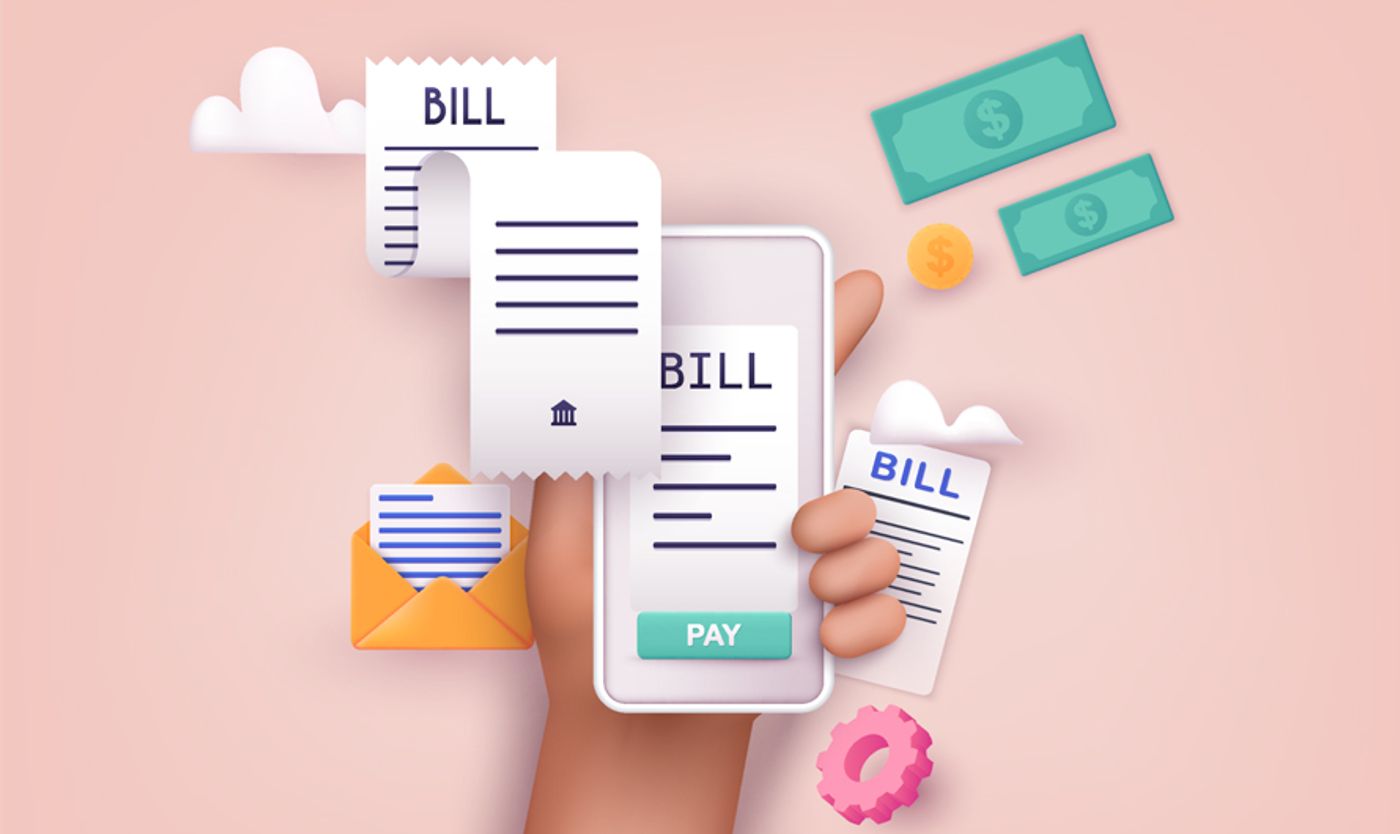
How to detect utility billing errors before they cost your clients money
Utility billing errors are more common than most energy professionals expect, and they often go unnoticed for months. The most effective way to catch them is to automatically compare actual meter data against billed consumption and flag discrepancies the moment a bill arrives, rather than waiting for a quarterly review or a client complaint.
This article covers the most common types of billing errors, how to spot them systematically, and why manual checking doesn't scale if you're managing more than a handful of sites.
How common are utility billing errors, really?
More common than utilities will admit. Errors typically fall into one of three buckets: incorrect tariff application (the client is being billed on the wrong rate), estimated reads that diverge significantly from actual consumption, and misallocated standing charges or levies.
For multi-site portfolios, the problem compounds. A single tariff misapplication on one site is annoying. The same error replicated across 30 sites — which happens when a utility rolls out a new rate structure incorrectly — can cost a client tens of thousands of euros before anyone notices.
What types of billing errors should you be looking for?
Estimated vs actual reads: When a meter reader can't access a site, utilities estimate the bill based on historical usage. If actual consumption has changed — due to a new production line, a building vacancy, seasonal patterns — that estimate can be wildly off. Catching this requires cross-referencing the bill's read type against your own meter data.
Wrong tariff applied: This is the most expensive error type and the hardest to spot without software. Tariff structures in Ireland and the EU are complex — time-of-use rates, demand charges, night rates, capacity charges — and utilities do make mistakes, especially during tariff transitions. If your client's actual usage pattern doesn't match what they're being billed for, that's the signal.
Duplicate billing: Rare, but it happens, particularly when a site changes supplier. Two invoices for the same period from overlapping suppliers, or a bill issued twice under different reference numbers. Easy to miss if billing is being tracked in a spreadsheet rather than a system that flags duplicate charge periods.
Standing charges and levies: PSO levies, capacity charges, and network use-of-system charges are frequently miscalculated, especially for sites that have recently changed consumption category or had meter upgrades. These are line items clients rarely scrutinise because they're not energy costs — but they add up.
Metering errors: Less common, but meters do malfunction or get misread. If a site's billed consumption suddenly spikes with no corresponding change in operations, a meter fault should be on the checklist before assuming it's a behavioural change.
Why manual bill checking doesn't scale
The traditional approach — downloading bills as PDFs, extracting figures into a spreadsheet, comparing against the previous month — works when you have three or four sites and plenty of time. It breaks down fast.
The main problems with manual checking are volume, consistency, and timing. If you're managing a portfolio of 20+ sites across multiple clients, bill checking becomes a significant admin overhead that pulls consultants away from higher-value work. And because it's manual, it's also inconsistent — an exhausted analyst on a Friday afternoon checks bills differently than the same analyst on a Tuesday morning.
Timing is the biggest issue. Manual reviews typically happen weekly or monthly. By the time an error is caught, the client may already have paid a second incorrect bill.
What does systematic detection actually look like?
The shift is from reactive checking to continuous comparison. Rather than auditing bills after they arrive, you're running an always-on comparison between what's on the bill and what your meter data says happened.
In practice this means:
Automatic bill ingestion — bills are parsed and structured the moment they arrive, not when someone gets around to opening the PDF.
Meter-to-bill matching — for each billing period, billed consumption is compared against actual meter readings for the same window. Discrepancies above a defined threshold trigger an alert.
Tariff validation — the billed rate is checked against the contracted tariff on file. If the rate per kWh doesn't match, the system flags it before the client pays.
Anomaly alerts — sudden jumps in consumption or cost that can't be explained by operational data are flagged in real time, not surfaced in the next monthly report.
This is what ecolyptus's Utility Bill Analyser does — it sits between your meter data and your clients' bills, continuously checking that what's being charged matches what's actually been consumed and at the agreed rate. When something doesn't match, it surfaces immediately in the platform rather than waiting for a human to find it.
How should you present billing errors to clients?
How you communicate a found error matters almost as much as finding it. Clients want to know three things: what happened, how much it cost them, and what you're doing about it.
The most useful format is a short summary that shows the billed figure, the correct figure based on actual data, the variance in both kWh and euros, and the recommended action (dispute, credit request, or supplier conversation). Avoid jargon — finance leaders don't want to hear about estimated read discrepancies, they want to see "you were overbilled €2,340 in March."
A clear evidence trail also helps when raising the dispute with the utility. The stronger your data — timestamped meter readings, rate documentation, side-by-side bill comparison — the faster the resolution.
The consultant's advantage
For energy consultancies and ESCOs, systematic bill auditing is one of the clearest ways to demonstrate ongoing value to clients rather than just value at project kickoff. Finding a billing error saves a client real money with no capital expenditure required on their part. It's a tangible, provable outcome that reinforces why the consultancy relationship is worth maintaining.
It also gives you something concrete to report on. A monthly summary of bills checked, errors flagged, and amounts recovered is far more compelling than a report that says "energy consumption was within expected range."
Ecolyptus is an energy intelligence platform built for energy consultancies, ESCOs, and sustainability professionals. The Utility Bill Analyser automatically validates bills against meter data and flags discrepancies across your entire client portfolio.